
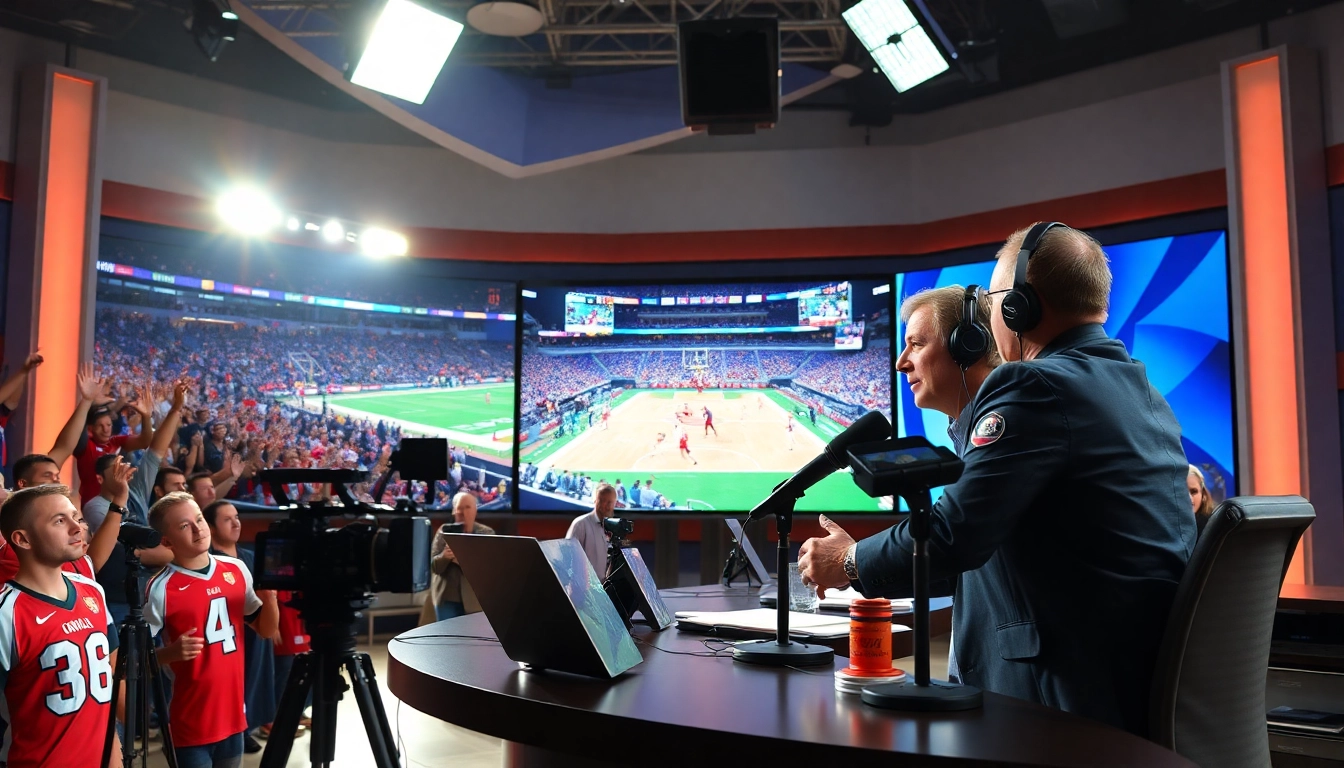
Understanding Sports Broadcasting
What is Sports Broadcasting?
Sports broadcasting refers to the live transmission, recording, and presentation of sports events on various media platforms, including television, radio, and online networks. It serves as the primary medium through which fans engage with sporting events, allowing them to follow their favorite teams and athletes. The Sports Broadcasting industry has evolved significantly, leveraging advancements in technology to enhance viewer experiences, expand audience reach, and offer interactive content. This transformation has made it an integral component of sports culture worldwide.
History of Sports Broadcasting
The history of sports broadcasting can be traced back to radio’s early days in the 1920s, where live commentary became a novelty for sports lovers. The first televised sports event occurred in the 1930s, transforming the landscape of broadcasting. Major sporting events, like the Olympic Games, started to be regularly televised, paving the way for sports as a staple of television programming. The arrival of cable and satellite networks in the 1980s further diversified sports broadcasting, introducing specialized sports channels that cater to particular audiences.
Key Components of Sports Broadcasting
Sports broadcasting consists of several key components, including:
- Live Coverage: Real-time reporting of events, often featuring commentary, analysis, and viewer interaction.
- Pre- and Post-Game Shows: Programs that analyze the implications of upcoming games or recap events that have already taken place, often including expert opinions.
- Sports News Programming: Regular updates and features on teams, athletes, injuries, and other relevant topics.
- Advertising and Sponsorship: Financial backing that supports sports broadcasting, providing revenue for networks while promoting brands to segmented audiences.
Types of Sports Broadcasting
Television Broadcasting
Television broadcasting remains one of the most prominent forms of sports media. Major networks secure exclusive broadcasting rights for popular leagues, ensuring widespread viewer accessibility. High-definition broadcasts, multiple camera angles, and live graphics enhance the viewing experience, while rights deals can be immensely lucrative for networks and leagues alike. Sports networks also invest in expert commentators and analysts who can enrich the audience’s understanding of the game.
Radio Broadcasting
Radio broadcasting, though less dominant today, remains a crucial aspect of sports coverage, especially for audiences who prefer audio commentary. Many fans enjoy listening to games while on the go, making local radio stations a valuable resource for grassroots sports coverage. Additionally, advanced technology allows for real-time streaming of sports events, bringing radio commentary into the digital age.
Online Streaming and Mobile Apps
With the advent of the internet, online streaming has revolutionized sports broadcasting. Platforms like subscription services provide fans accessibility to a vast array of games and events without being tethered to traditional cable packages. Mobile apps allow for personalized feeds, game alerts, and social media integration that enables fans to engage with their community while watching events. This shift toward digital platforms has transformed how broadcasters approach content, creating a demand for live-streaming capabilities and on-demand content.
Technology Impacting Sports Broadcasting
Advanced Broadcasting Equipment
The advancement of broadcasting equipment has led to superior visual and audio quality for sports coverage. Innovations such as 4K resolution, drone cameras for aerial views, and enhanced audio technology for realistic stadium sound contribute to the immersive experience that fans have come to expect. These advancements not only enhance viewer engagement but also support broadcasters in delivering more in-depth coverage through innovative visual storytelling.
Role of AI in Sports Analytics
Artificial intelligence (AI) is increasingly utilized in sports analytics, enabling broadcasters to provide detailed insights into player performance and game strategy. AI tools analyze vast datasets on player statistics and game dynamics, offering unique perspectives that enhance viewing experiences. This technology enables broadcasters to deliver informed commentary, allowing fans to appreciate tactical nuances during the game.
Virtual Reality and Augmented Reality in Broadcasting
The integration of virtual reality (VR) and augmented reality (AR) into sports broadcasting is revolutionizing viewer engagement. VR creates immersive experiences where fans can feel as if they are present at the event, while AR overlays statistics and player information during live broadcasts. These technologies create opportunities for creative storytelling, allowing broadcasters to enhance traditional reporting with interactive visuals that provide deeper insights and engagement.
Challenges Facing Sports Broadcasting Today
Navigating Copyright and Licensing Issues
One of the most significant challenges in sports broadcasting is navigating copyright and licensing agreements. As demand for content rises, ensuring compliance with rights management becomes increasingly complex. Networks must negotiate with leagues and teams, often leading to costly agreements that result in higher subscription fees for consumers. Addressing these issues requires agility and strategic planning by broadcasters to balance costs while still providing quality content.
Maintaining Viewer Engagement
In an era where countless viewing options are available, retaining viewer interest is crucial. Broadcasters must continually innovate to keep audiences engaged, offering interactive experiences, behind-the-scenes access, and compelling storytelling. Additionally, integrating audience feedback and using analytics to refine content can help tailor programming to fit viewer preferences, ensuring higher retention rates during broadcasts.
Adapting to Changing Audience Behaviors
As viewer habits evolve, so too must broadcasting strategies. The shift towards on-demand viewing has led networks to increase their focus on providing flexibility and personalization. Integrating social media platforms to facilitate real-time discussions encourages a sense of community, which is essential for maintaining relevance in a competitive landscape. By staying attuned to changing audience behaviors, broadcasters can create an enriched viewing environment that resonates with fans.
Future Trends in Sports Broadcasting
Growth of Interactive Broadcasting
The rise of interactive broadcasting signals a transformative shift in how sports content is delivered. Features such as real-time voting on game-related decisions or interactive graphics that allow viewers to select camera angles enhance engagement. This trend aligns with the audience’s desire for participation, turning passive viewing into an active experience. As technology continues to advance, the possibilities for interactivity within broadcasting will expand even further.
The Role of Social Media in Broadcasting
Social media has become a critical player in sports broadcasting, acting as a complementary platform for real-time updates and fan interaction. Broadcasters increasingly leverage social networks to share highlights, engage with audiences, and promote live events. Integrating social media interactions within broadcasts allows networks to create a connected viewing experience where fans can contribute their insights and reactions, enriching the dialogue around live sports.
Predictive Analytics in Live Sports
Predictive analytics is transforming how audiences engage with live sports. By utilizing historical data and real-time statistics, broadcasters can offer insights into possible game outcomes, player performances, and strategies during live broadcasts. This information not only enriches storytelling but also enhances viewer understanding of game dynamics, creating a more informed and engaged audience during live events.
Frequently Asked Questions
What is the primary platform for sports broadcasting?
Television is the primary platform for sports broadcasting, though online streaming and mobile apps are rapidly gaining popularity.
How has technology changed sports broadcasting?
Technology has introduced high-definition visuals, interactive features, AI analytics, and VR experiences, enriching viewer engagement.
What are the main challenges facing sports broadcasters?
Key challenges include managing copyright issues, maintaining viewer engagement, and adapting to changing audience behaviors.
What future trends are emerging in sports broadcasting?
Emerging trends include interactive broadcasting, enhanced social media integration, and the use of predictive analytics for deeper insights.
How can broadcasters enhance viewer experience?
By utilizing advanced technology, engaging social media strategies, and offering personalized content, broadcasters can significantly enhance viewer experience.