Understanding PPF Winter Road Salt Protection
What is PPF and Why Use It?
Paint Protection Film (PPF) is a transparent thermoplastic urethane film designed to shield your vehicle’s paint from scratches, abrasions, and environmental hazards. It is particularly beneficial for car enthusiasts and daily drivers alike, as it preserves the car’s aesthetic without altering the original finish. PPF is engineered to absorb impact forces and repair itself from minor scratches due to its unique self-healing properties.
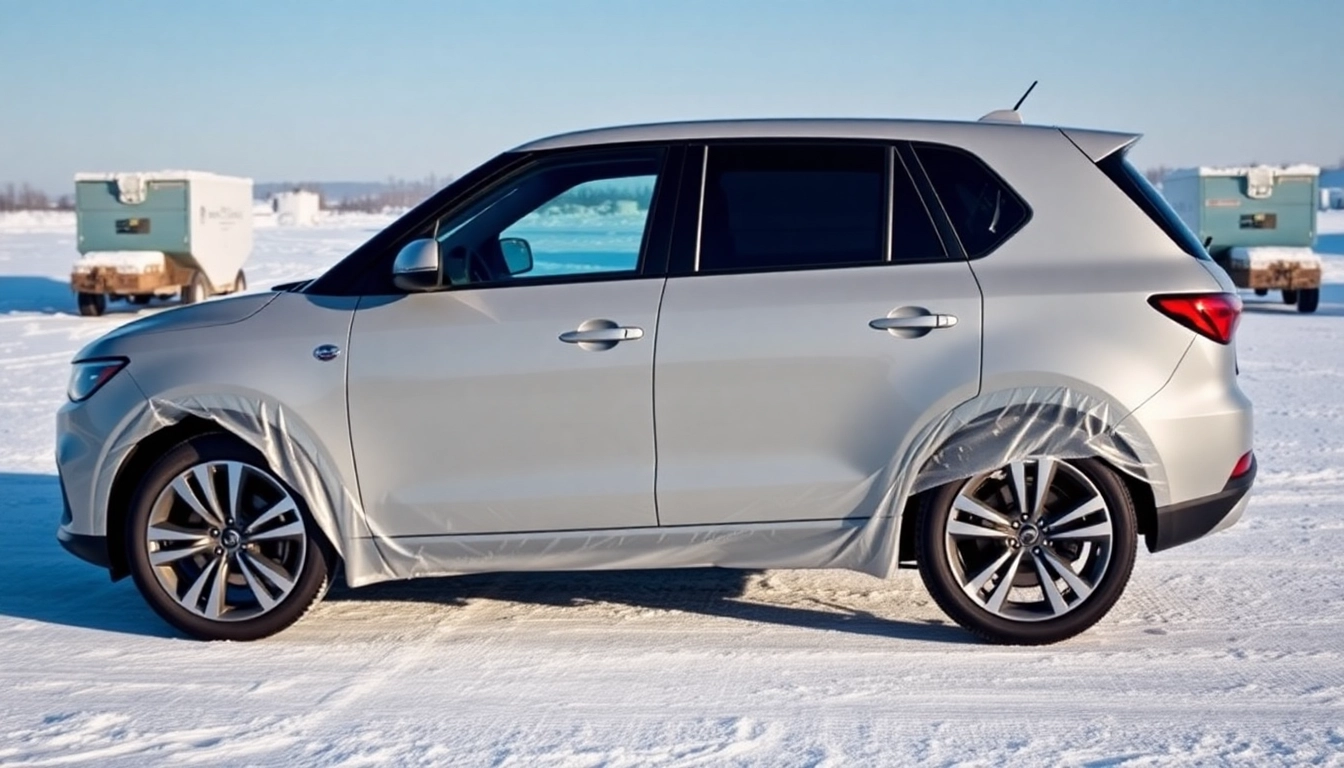
The necessity of using PPF becomes more pronounced when considering winter conditions, especially with road salt exposure. Road salt, while essential for de-icing roads, poses a threat to vehicle exteriors by promoting corrosion and paint degradation. This is where PPF winter road salt protection steps in, offering a reliable solution in harsh environments.
How PPF Protects Against Road Salt Damage
PPF acts as a barrier between the vehicle’s paint and harmful elements like road salt. When salt adheres to the surface of the vehicle, it can create a chemical reaction that leads to corrosion, especially when mixed with moisture. The protective layer of PPF prevents direct contact between road salt and the paint, significantly reducing the risk of rust and other types of damage.
Moreover, PPF is engineered to be water-resistant, which allows for easy cleaning following exposure to road conditions laden with salt. A simple wash can effectively remove salt residue from the film’s surface, which is crucial in maintaining both the visual appeal and the integrity of the vehicle.
Key Benefits of PPF for Winter Conditions
Aside from shielding vehicles from road salt damage, the use of PPF has several advantages during winter, including:
- Durability: PPF can withstand harsh weather conditions, offering long-lasting protection throughout the winter months.
- Self-Healing Properties: Minor scratches and abrasions can disappear with heat, maintaining the film’s clarity and visual appeal.
- Ease of Maintenance: The smooth surface of PPF makes it easier to wash and maintain, crucial during winters when dirt and salt accumulation is common.
- UV Protection: PPF provides an additional layer of UV protection, preventing fading and oxidation of the vehicle’s paint job.
- Resale Value: Vehicles protected with PPF tend to maintain their overall value better compared to those without any protective coating.
Installation Process for PPF
Preparation Steps Before Installation
Preparing for PPF installation is critical to ensure a successful application. Here are the key steps:
- Thorough Cleaning: Wash the vehicle thoroughly to remove all dirt, wax, and contaminants. A clay bar treatment can provide an even deeper clean by pulling out embedded particles.
- Surface Inspection: Examine the paint for swirls, scratches, or imperfections. Any existing damage should be corrected preceding installation, as PPF will adhere better to a flawless surface.
- Temperature Control: Ensure the working environment is in an optimal temperature range (between 60°F and 80°F) for best adhesion results.
DIY vs Professional Installation
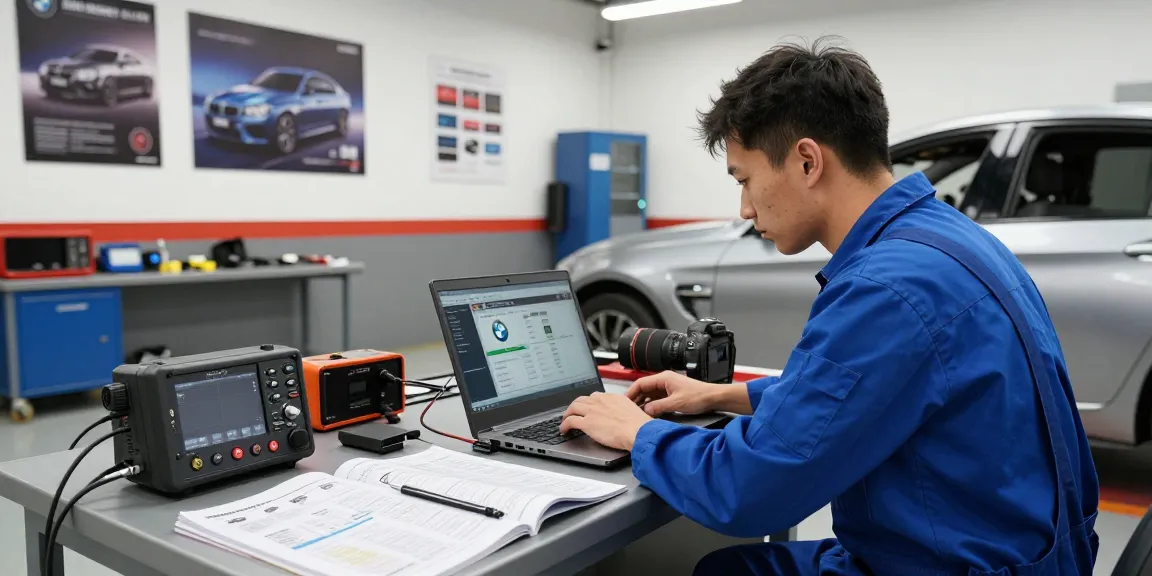
While DIY installation of PPF is possible, it comes with challenges. Professional installers possess the necessary tools, expertise, and experience, ensuring that the film is applied correctly, free from bubbles and misalignments. Furthermore, skilled technicians can navigate complex vehicle shapes more effectively, providing a seamless finish.
On the other hand, those who are experienced in DIY projects may opt to install PPF themselves. DIY kits are available with guided instructions, but it’s vital to acknowledge the learning curve involved. For those uncertain about their skills, investing in professional installation is advisable, especially considering the potential costs associated with incorrect application.
Maintenance After PPF Application
Maintenance is essential to ensure that PPF continues to perform optimally over time:
- Regular Washing: Rinse the surface frequently to remove contaminants, particularly after driving in road salt conditions. Use pH-neutral car soap to maintain the film’s integrity.
- Avoid Harsh Chemicals: Steer clear of strong cleaners or abrasive materials that could potentially damage the PPF. Always select products suited for use on clear films.
- Inspect Periodically: Regularly check the film for any signs of damage or peeling. Address any issues as soon as they appear to extend the life of the protection.
Performance Metrics of PPF in Winter Conditions
Evaluating the Efficacy of PPF
To ensure PPF is fulfilling its purpose, evaluating its performance in various conditions is essential. Metrics to consider include:
- Impact Resistance: Testing the film’s response to impacts from road debris and winter conditions, such as ice and snow.
- Corrosion Prevention: Monitoring how well PPF prevents corrosion from salt exposure, especially in harsh climates.
- Visual Clarity: Observing whether the film maintains transparency and gloss over time without yellowing or hazing.
Comparing PPF with Other Protection Methods
When assessing the best protection for vehicles during winter, it’s useful to compare PPF with alternatives like ceramic coatings and traditional wax. PPF often provides superior resistance to physical damage and is more reliable against road salt corrosion than wax, which can wash away over time.
Ceramic coatings, while effective against environmental contaminants, do not offer the same self-healing properties that PPF does. Therefore, for someone seeking both aesthetic and functional protection during winter months, PPF usually stands out as the best choice.
Customer Testimonials on PPF Performance
Customer feedback highlights the efficiency of PPF:
“After getting PPF installed before winter, I noticed a significant difference in how my car held up against road salt! The paint still looks brand new even after months of harsh winter weather.” – A Satisfied Customer
“I’ve tried waxing my car in the past, but nothing beats PPF for protection! It held up well against scratches and I’ve had no issues with rust forming.” – Another Satisfied Customer
Common Challenges with PPF Winter Road Salt Protection
Addressing Misconceptions About PPF
Many misconceptions surround Paint Protection Film, such as it being too costly or that it can damage the paint underneath. In truth, PPF is an investment that prolongs the life of your paint job, and when applied correctly, it does not harm the vehicle’s original finish.
Troubleshooting Installation Issues
Common installation issues include bubbles, misalignment, or peeling edges. It is essential to follow proper installation guidelines and use the correct tools. If you encounter issues, consider consulting with a professional installer who can make necessary corrections.
Maintaining Aesthetic Appeal of PPF
To keep PPF looking its best, avoid direct sunlight on freshly installed film for at least 24 hours, and perform regular washes. Additionally, using a protective ceramic spray on top of PPF can enhance its shine and help repel dirt and grime.
Future Trends in Paint Protection Technology
Innovations in PPF Materials
The future of PPF looks promising with ongoing innovations in material science. Newer formulations of PPF are being developed to enhance durability, increase self-healing efficiencies, and improve clarity even further.
The Growing Importance of Environmental Considerations
As consumer awareness surrounding environmental impact grows, companies are focusing on producing PPF made from eco-friendly materials. This shift not only attracts environmentally conscious customers but contributes to a more sustainable automotive care sector.
Consumer Shifts Towards Long-Term Vehicle Care
As consumers increasingly recognize the importance of vehicle longevity, the popularity of PPF continues to soar. With advancements in technology and growing awareness around the damaging effects of road conditions on vehicles, protective films are becoming a standard in vehicle maintenance.
Frequently Asked Questions
What is PPF?
PPF stands for Paint Protection Film, a clear coating that protects vehicle surfaces from scratches, dirt, and damaging elements like road salt.
How does road salt affect vehicles?
Road salt can cause corrosion, rust, and paint damage on vehicles, particularly during harsh winter conditions.
Can I install PPF myself?
While DIY installation is possible, professional installation ensures better fit and longevity of the PPF.
What maintenance is needed for PPF?
Regular washing and avoiding harsh chemicals are essential to maintain the PPF and its protective qualities.
How long does PPF last?
Quality PPF can last up to 10 years or more with proper maintenance, providing long-term protection against elements.