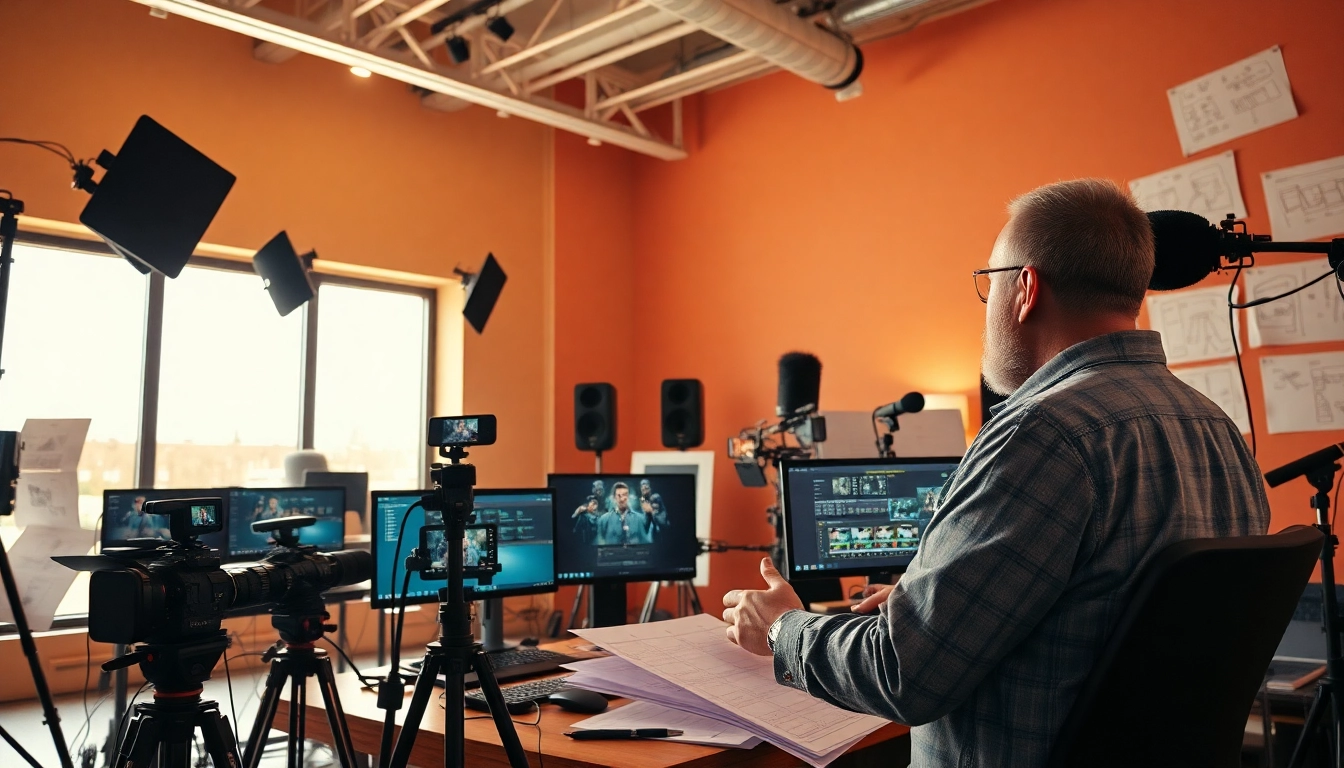
Introduction to Film Maker
The art of film making encompasses a diverse range of skills, creativity, and technical knowledge. As a Film Maker, you have the ability to tell compelling stories that can resonate with audiences around the globe. In this comprehensive guide, we will explore the definition and role of a film maker, the essential skills required, and the evolution of the film making industry.
Defining the Role of a Film Maker
A film maker is fundamentally a storyteller. They oversee the entire process of creating a film, from developing the initial concept to the final cut. This role can include various positions such as director, producer, screenwriter, and editor, each contributing uniquely to the storytelling process. A film maker is responsible for interpreting scripts, directing actors, and making crucial decisions that shape the final product.
Essential Skills for Aspiring Film Makers
To succeed as a film maker, one must possess a unique blend of creativity, technical skills, and interpersonal abilities. Key skills include:
- Storytelling: The ability to craft a compelling narrative that engages the audience.
- Technical Proficiency: Knowledge of camera equipment, editing software, and sound design.
- Communication: Skills needed to collaborate with actors, crew, and stakeholders.
- Problem-Solving: Resolving challenges that arise during the production phase.
- Time Management: Organizing tasks and resources to meet deadlines efficiently.
Exploring the Evolution of Film Making
Film making has undergone significant transformations since the inception of cinema. From silent films to the advent of sound, color, and digital technology, the evolution of film making touches various aspects of culture. Understanding this historical context provides insight into current film making practices and future trends. The rise of independent cinema and streaming platforms has democratized the industry, allowing a greater diversity of voices to emerge.
Key Tools for Every Film Maker
Successful film making relies heavily on the right tools. The following sections outline essential equipment, software, and techniques that every film maker should consider.
Camera Equipment Basics
Camera equipment is the cornerstone of film making. Here are some essential components:
- Cameras: Depending on the budget and project scale, options range from DSLRs to professional cinema cameras.
- Lenses: Different lenses provide varying perspectives and effects, crucial for storytelling.
- Tripods and Stabilizers: These tools help to achieve smooth, stable shots and control camera movement.
- Accessories: Consider items such as filters, battery packs, and continuity tools that aid in production quality.
Software for Editing and Production
Post-production editing software plays an important role in shaping a film. Popular choices include:
- Adobe Premiere Pro: A powerful editing tool for professionals.
- Final Cut Pro: Popular among Mac users for its user-friendly interface.
- DaVinci Resolve: Excellent for color correction and grading, in addition to editing.
Additionally, software for sound editing and visual effects can enhance a film’s overall quality.
Understanding Lighting and Sound Gear
Lighting and sound are crucial aspects that often define the quality of a film. Consider these elements:
- Lighting Equipment: Softbox lights, LED panels, and reflectors can create the desired ambiance.
- Sound Recording Devices: Quality microphones and audio recorders ensure clean sound capture.
- Sound Editing Software: Tools like Audacity or Pro Tools help in post-production sound enhancements.
Film Making Techniques and Practices
Film making is both an art and a science. Each project may require specific techniques to effectively convey its story.
Script Development for Effective Storytelling
An engaging film starts with a well-developed script. The writing process involves brainstorming ideas, creating outlines, and drafting multiple revisions to polish dialogue and structure. Collaboration with other writers or script consultants can yield valuable feedback. Employing techniques such as story arcs and character development ensures that the final script resonates with its audience.
Directing Actors for Authentic Performances
As a film maker, directing actors is a critical skill. This involves:
- Communicating vision effectively to ensure that actors bring characters to life.
- Guiding performances through actions and emotions to convey the script’s intent.
- Building a trustful relationship with actors, fostering an environment where creativity can thrive.
Post-Production Techniques Every Film Maker Should Know
The post-production phase is where a film is truly crafted. This stage involves:
- Editing: Selecting the best takes and assembling the film in a coherent narrative.
- Color Grading: Enhancing the visual tone and continuity of scenes through color correction.
- Sound Design: Adding sound effects, music, and ensuring dialog clarity enhances overall experience.
Challenges Faced by Film Makers
The journey of a film maker is fraught with challenges. Let’s delve into some common issues faced within the industry.
Budget Constraints and Resource Management
Many film makers operate on tight budgets, making resource management vital. Strategies include prioritizing essential expenditures, leveraging grants, crowdfunding, and fostering partnerships to share costs. Careful planning helps maximize creativity while maintaining financial sustainability.
Navigating the Film Industry Landscape
The film industry is highly competitive, and navigating its landscape can be daunting. Building a robust network of contacts, understanding industry trends, and continuously refining one’s craft are imperative for long-term success. Attending film festivals, workshops, and online forums can help position film makers within the industry effectively.
Overcoming Creative Blocks as a Film Maker
Every film maker experiences creative blocks at some point. Techniques to overcome these include:
- Exploring other artistic mediums for inspiration.
- Engaging with peers for collaboration and feedback.
- Setting aside specific times for brainstorming without pressure.
Future Trends in Film Making
The film industry is evolving rapidly, driven by technological advancements and changing audience preferences. Here we explore the emerging trends shaping the future of film making.
The Impact of Technology on Film Production
Advancements in technology have revolutionized film production. High-quality cameras are now more accessible, allowing independent film makers to create visually stunning content. Additionally, tools powered by AI, such as script analysis and automated editing, are increasingly being integrated into workflows.
Audience Engagement in a Digital World
In a landscape dominated by digital content, engaging audiences through various channels is crucial. Strategies such as social media marketing, interactive content, and behind-the-scenes access can create a compelling experience that resonates. Understanding target demographics and how they consume content enables more tailored marketing strategies for success.
Adapting to Changing Industry Norms
As streaming services gain traction, traditional film distribution has shifted. Film makers must adapt by exploring new business models, embracing online festivals, and leveraging digital platforms for distribution. Continuous learning ensures they remain at the forefront of industry trends.
Frequently Asked Questions
What is the primary role of a Film Maker?
A Film Maker is responsible for creating movies, overseeing the production from concept to final cut.
What skills do I need to become a successful Film Maker?
Essential skills include storytelling, technical proficiency in equipment, and effective communication.
What equipment is essential for a Film Maker?
Key equipment includes cameras, sound recording devices, editing software, and lighting setups.
How can a Film Maker overcome creative blocks?
Engaging in other art forms, collaborating with peers, and seeking feedback can help overcome blocks.
What are the latest trends in film making?
Emerging trends focus on digital filmmaking, virtual reality integration, and interactive storytelling.
Contact Information
Call Us: (800) 896-5502
Address: 2670 Union Avenue, Suite 810, Memphis, Tennessee 38112, United States