Understanding Construction Site Safety
What is Construction Site Safety?
Construction site safety refers to the measures, protocols, and practices implemented to ensure the health and well-being of workers on construction sites. This encompasses the protection of workers from various hazards that are prevalent in the industry, such as falling objects, equipment-related accidents, and exposure to harmful substances. Effective construction site safety involves developing comprehensive plans that inform workers of potential risks and the necessary precautions to mitigate them. Understanding construction site safety is crucial for reducing accidents and promoting a culture of accountability and care within the workforce.
Importance of Safety Protocols
The implementation of safety protocols is essential for several reasons. First and foremost, these protocols protect the lives and health of construction workers, minimizing exposure to hazards that could lead to injuries or fatalities. Moreover, they contribute to the overall efficiency of construction projects by reducing downtime caused by accidents. Additionally, an organization’s reputation can be significantly enhanced by demonstrating a commitment to safety, which attracts clients and skilled workers alike. In financial terms, adhering to safety protocols can lower insurance costs and avoid legal liabilities stemming from workplace accidents.
Common Hazards in Construction Sites
Construction sites are fraught with hazards that can jeopardize worker safety. Some common hazards include:
- Falling Objects: Tools and materials that fall from heights can injure workers below.
- Slip and Trip Hazards: Uneven surfaces, debris, and poor housekeeping can lead to slips, trips, and falls.
- Electrical Hazards: Work near live wires or faulty equipment can result in electrical shocks.
- Noise Exposure: Prolonged exposure to loud machinery can lead to hearing loss.
- Working at Heights: Falls from scaffolding, ladders, or rooftops are significant risks.
Key Components of a Safety Plan
Risk Assessment Techniques
Conducting thorough risk assessments is vital to identifying potential hazards on a construction site. Risk assessment techniques involve several steps:
- Identification of Hazards: Analyze the work environment and tasks to pinpoint specific dangers.
- Risk Analysis: Evaluate the likelihood and severity of potential accidents occurring.
- Control Measures: Establish strategies to mitigate identified risks.
- Monitoring and Review: Regularly check the effectiveness of control measures and revise them as necessary.
Personal Protective Equipment (PPE)
Personal Protective Equipment (PPE) is a critical component of construction site safety. Employers are responsible for providing appropriate PPE to their workers, including:
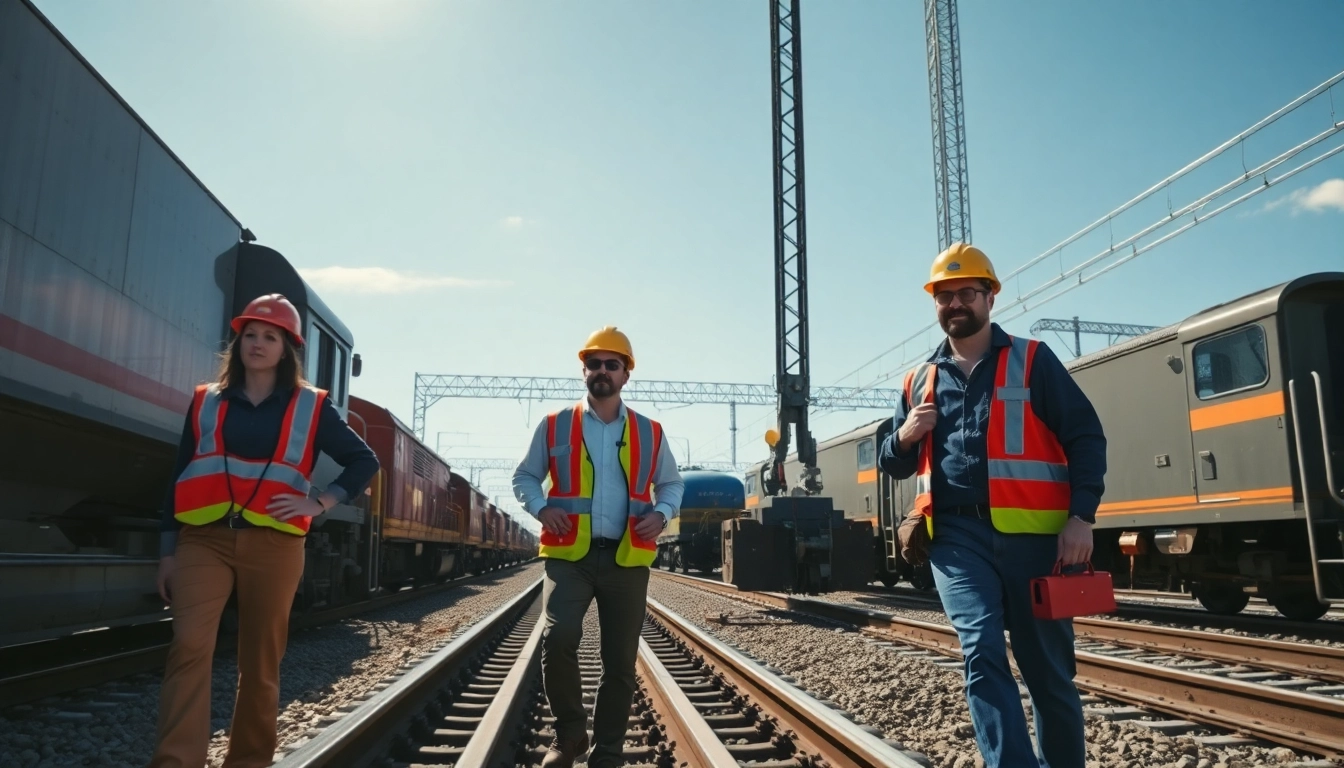
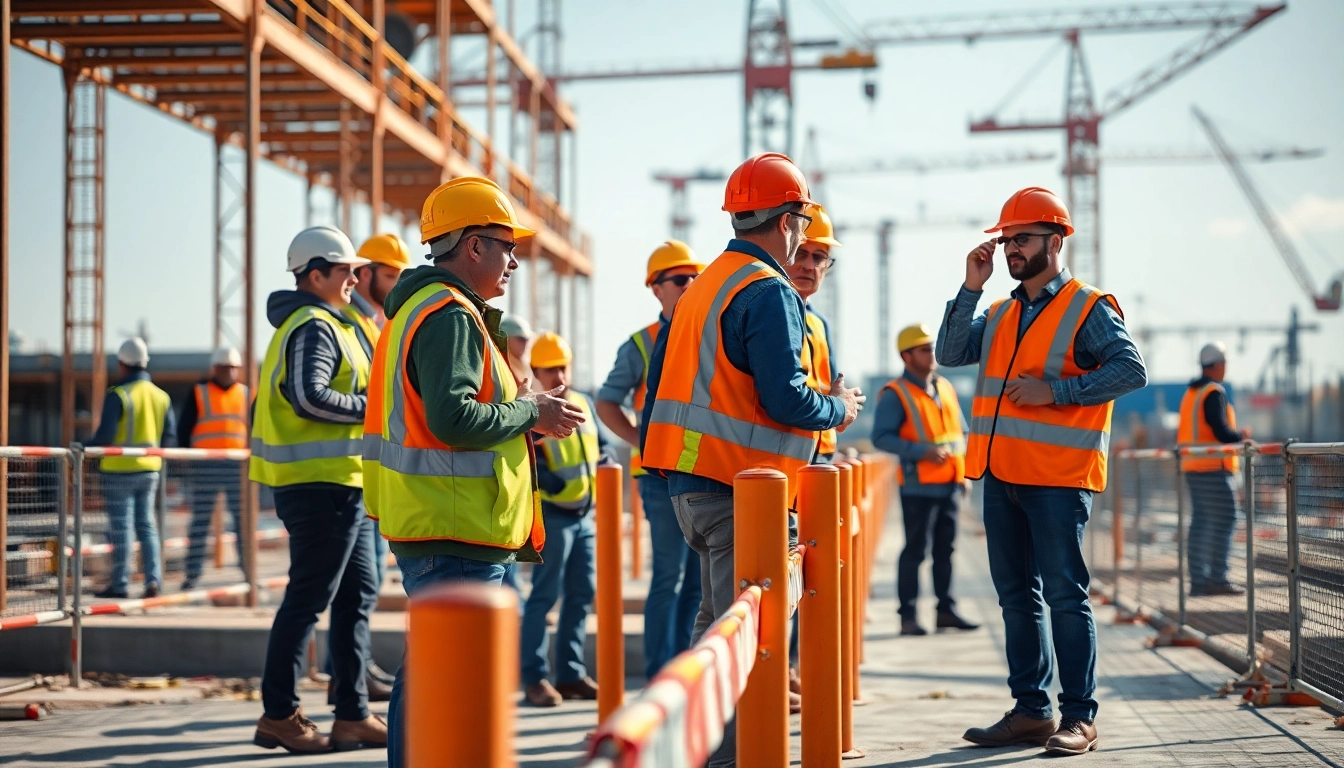
- Hard Hats: Protect against head injuries from falling objects.
- Safety Goggles: Shield eyes from debris, chemicals, and other hazards.
- Gloves: Guard hands from cuts, abrasions, and chemicals.
- High-Visibility Vests: Enhance worker visibility, particularly in low-light conditions.
- Steel-Toed Boots: Prevent foot injuries from heavy objects or punctures.
Training and Education Programs
Regular training and education programs are essential for promoting construction site safety. These programs should cover:
- Proper use of PPE.
- Emergency response procedures.
- Identifying and reporting hazards.
- Safe operation of equipment and machinery.
Ongoing training helps ensure that workers are familiar with safety protocols and evolving regulations, contributing to a safer work environment.
Implementing Safety Measures
Safety Inspections and Audits
Regular safety inspections and audits are vital for maintaining a safe construction site. These should be conducted by qualified personnel and focus on:
- Assessing compliance with safety regulations.
- Identifying new dangers that may arise during a project.
- Checking the condition and proper use of PPE and equipment.
Establishing a systematic approach to inspections helps ensure that safety measures remain effective over time.
Strategies for Effective Communication
Clear and effective communication is crucial in construction site safety. Strategies to enhance communication include:
- Holding daily safety briefings to discuss ongoing risks and safety protocols.
- Encouraging open dialogues where workers can share concerns.
- Utilizing signage and symbols to convey essential safety information throughout the site.
Emergency Response Planning
A comprehensive emergency response plan is essential for minimizing injuries and damage in the event of an incident. Key elements of such a plan include:
- Identifying potential emergencies, such as fires, natural disasters, or medical emergencies.
- Establishing clear evacuation routes and assembly points.
- Training workers in emergency procedures, including first aid and CPR.
- Designating emergency coordinators responsible for managing responses.
Monitoring and Improving Safety Practices
Using Technology for Safety Management
Technology plays an increasingly important role in enhancing construction site safety. Tools such as wearable safety devices, drones, and mobile applications can be employed to monitor conditions, ensure compliance, and facilitate timely communication. These technologies help provide real-time data, which can be invaluable for proactive safety management.
Data Analysis for Continuous Improvement
Collecting and analyzing data related to accidents, near misses, and safety inspections is crucial for continuous improvement. By identifying trends and patterns, construction managers can implement targeted interventions that address specific issues. Utilizing safety metrics, such as incident rates and response times, can also drive accountability and foster a culture of improvement.
Employee Feedback and Engagement
Engaging employees in safety discussions and initiatives can lead to improved compliance and awareness. Soliciting feedback from workers on safety policies, practices, and PPE can provide insights that management may overlook. Involving employees in safety committees or initiatives empowers them and promotes collaboration to enhance workplace safety.
Frequently Asked Questions about Construction Site Safety
What are the key elements of a safety plan?
A safety plan should include risk assessments, personal protective equipment, training, and emergency procedures designed to mitigate hazards on construction sites.
How often should safety training be conducted?
Training should occur regularly, at least annually, or whenever new hazards or processes are introduced to maintain safety standards and compliance.
What types of PPE are essential on construction sites?
Essential PPE includes hard hats, safety goggles, gloves, high-visibility vests, and steel-toed boots to protect workers from various hazards.
How can technology enhance safety on construction sites?
Technology can improve safety through applications for monitoring conditions, reporting incidents in real-time, and ensuring compliance with safety regulations.
What steps should be taken in an emergency?
In an emergency, critical steps include identifying hazards, evacuating personnel safely, communicating with emergency services, and providing first aid as needed.