
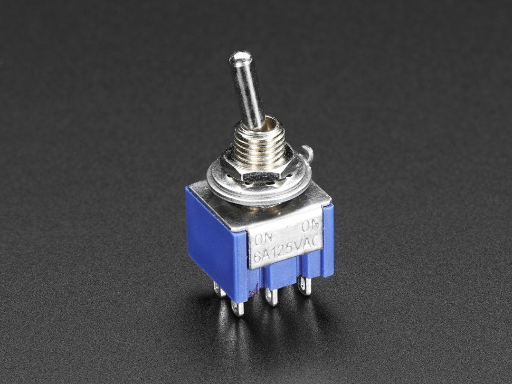
Electrical switches and connectors are often exposed to challenging environments where dust, moisture, and other external factors can affect performance. To ensure reliability and durability, manufacturers use IP ratings to indicate the level of protection provided by electrical components against environmental conditions.
Understanding IP ratings is essential when selecting toggle switches and connectors for industrial, commercial, automotive, marine, and outdoor applications. Choosing the correct protection level helps improve equipment reliability, reduce maintenance requirements, and support long-term system performance.
What Are IP Ratings?
IP stands for Ingress Protection, an international standard used to classify the degree of protection provided by electrical enclosures and components against solid objects and liquids.
An IP rating typically consists of two numbers. The first number indicates protection against solid particles such as dust, while the second number indicates protection against water and moisture.
For example, an IP67-rated component offers a high level of protection against dust and temporary water immersion, making it suitable for demanding environments.
Why IP Ratings Matter
Electrical systems often operate in environments where exposure to contaminants can affect performance. Dust, water, dirt, and other environmental factors may cause equipment failures, electrical faults, or reduced service life.
By selecting components with the appropriate IP rating, businesses can help ensure reliable operation and protect equipment from environmental damage.
Benefits of Choosing the Right IP Rating
Enhanced Environmental Protection
Proper IP-rated components help protect electrical systems from dust, moisture, and other contaminants that can impact performance.
Improved Equipment Reliability
Components designed for specific environmental conditions are more likely to deliver consistent and dependable operation.
Increased Safety
Environmental protection helps reduce the risk of electrical faults and system failures that could compromise safety.
Longer Service Life
Switches and connectors with appropriate protection levels can withstand harsh operating conditions and maintain performance over time.
Reduced Maintenance Requirements
Well-protected components are less likely to experience damage caused by environmental exposure, reducing repair and replacement needs.
Greater Application Flexibility
A wide range of IP ratings allows users to select components that match the specific requirements of their operating environment.
Common IP Ratings and Their Applications
IP20
Provides basic protection against solid objects but offers no protection against water. Commonly used in indoor electrical equipment.
IP44
Offers protection against solid objects and splashing water, making it suitable for light industrial and commercial applications.
IP65
Provides complete protection against dust and resistance to water jets. Frequently used in outdoor equipment and industrial environments.
IP67
Protects against dust and temporary immersion in water. Commonly used in demanding industrial and automotive applications.
IP68
Offers a high level of protection against dust and prolonged water exposure, making it suitable for harsh environments and specialized equipment.
The Role of Toggle Switches and Fuse Holder Components
Many electrical systems utilize toggle switches in applications where reliable manual control is required. Selecting toggle switches with suitable IP ratings helps ensure dependable operation in environments exposed to dust or moisture.
Similarly, a fuse holder must provide secure protection for electrical circuits while maintaining reliable performance under environmental stress. Choosing a fuse holder with the appropriate level of protection contributes to overall system safety and durability.
Together, IP-rated toggle switches and fuse holder components help improve the reliability and longevity of electrical systems.
Choosing the Right IP Rating
When selecting switches and connectors, it is important to evaluate:
- Operating environment
- Exposure to dust and moisture
- Indoor or outdoor installation
- Equipment safety requirements
- Maintenance expectations
- Industry standards and regulations
Choosing the correct IP rating helps ensure that electrical components can withstand environmental conditions while maintaining reliable performance.
Conclusion
IP ratings provide valuable information about the environmental protection capabilities of electrical switches and connectors. Understanding these ratings helps businesses and engineers select components that meet the demands of their specific applications.
Whether choosing connectors, toggle switches, or a fuse holder, selecting products with the appropriate IP rating can improve reliability, enhance safety, and extend equipment lifespan. As industries continue to operate in increasingly demanding environments, IP-rated electrical components remain essential for achieving dependable and long-lasting performance.