Understanding the Double Girder Bridge Crane
In the ever-evolving landscape of industrial machinery, the double girder bridge crane stands out as a robust solution for heavy lifting and handling oversized loads. This sophisticated equipment provides enhanced stability, greater lifting capacities, and versatile application potential compared to its single girder counterparts. In this article, we will explore the intricacies of double girder bridge cranes, examining their design, features, applications, and future trends that are shaping the industry.
What is a Double Girder Bridge Crane?
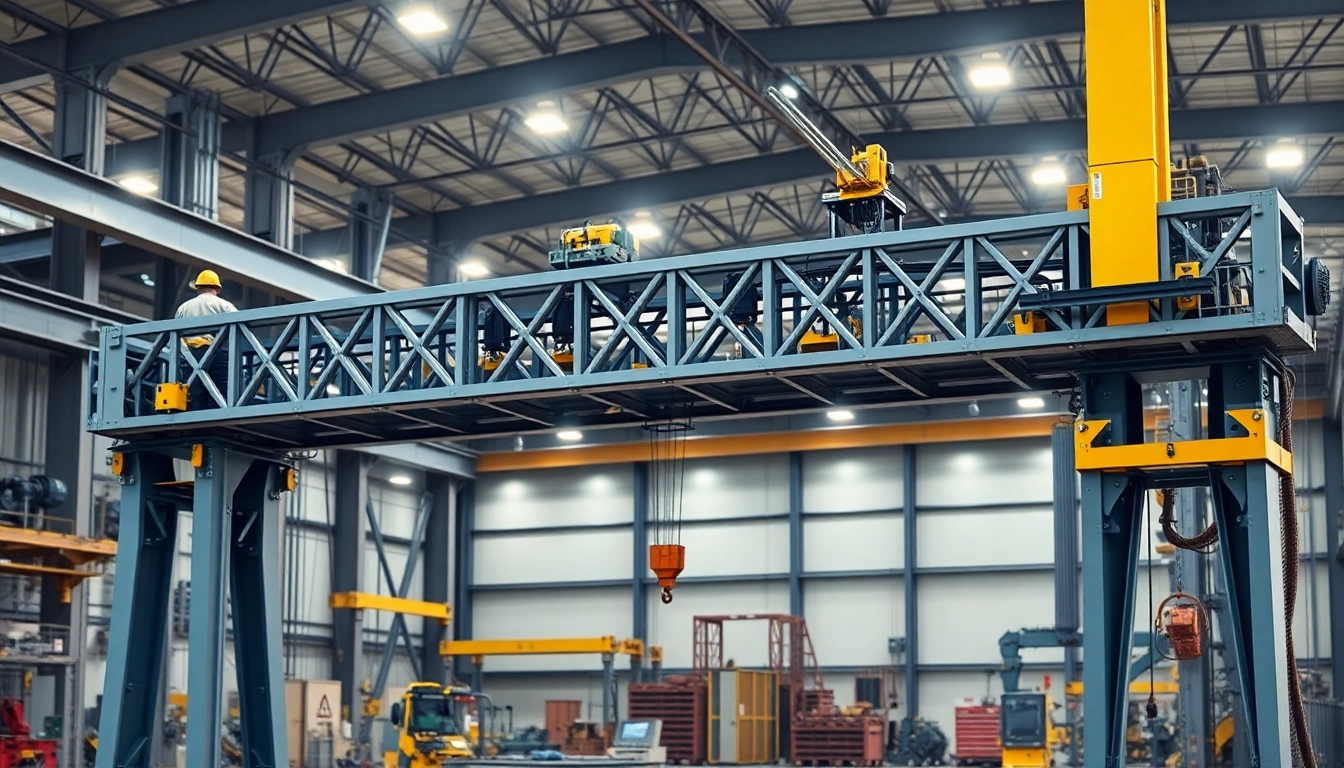
A double girder bridge crane is a type of overhead crane that employs two parallel girders to support the hoisting mechanism. This design enables a more significant lifting capacity, as the load is evenly distributed across both girders, making them ideal for heavy industrial applications. Unlike single girder cranes, where the hoist runs on the bottom flange of a single beam, the double girder crane typically features a separate hoist that moves on rails along the top flange of the girders, providing increased headroom and lifting heights.
Key Components and Features
- Main Girders: The two main girders are the primary structural components, supporting the hoist and trolley.
- Hoisting Mechanism: Typically includes an electric hoist that can lift heavy loads with precision.
- Trolley: Moves along the girders to facilitate horizontal movement of the load.
- End Trucks: Positioned at each end of the crane, these provide mobility along the runway.
- Control System: Modern cranes feature sophisticated control systems, often incorporating remote control capabilities.
Comparison with Single Girder Cranes
When comparing double girder cranes to single girder cranes, several key differences emerge. Double girder cranes can typically handle larger loads—often exceeding 50 tons—while offering greater vertical lifting height due to their design. Additionally, they are ideal for environments where load handling is frequent and requires high precision.
In contrast, single girder cranes are more cost-effective for lighter loads and smaller spans, making them suitable for applications with less stringent requirements. However, as operational demands grow, many businesses find that transitioning to a double girder crane configuration yields substantial operational efficiencies.
Applications of Double Girder Bridge Cranes
Double girder bridge cranes are widely utilized across various industries due to their strength and versatility. From manufacturing to construction, these cranes facilitate the smooth transportation of heavy materials. Their design enables them to be tailored to meet specific operational needs, making them invaluable in many contexts.
Industrial Uses and Benefits
- Heavy Lifting: Ideal for environments requiring the lifting of heavy machinery and materials.
- Optimized Space Utilization: Their configurations allow for better utilization of vertical space in warehouses and factories.
- Enhanced Safety: The stability provided by dual girders reduces the risk of load tipping or crane failure.
Common Industries Utilizing Double Girder Cranes
Several industries benefit from the use of double girder cranes:
- Manufacturing: Used for moving large assemblies or components.
- Construction: Essential for lifting steel beams and other heavy construction materials.
- Shipbuilding: Utilized for moving large sections of ships during construction.
- Automotive: Employed for assembly line operations and transporting parts.
Case Studies: Success Stories in Heavy Lifting
In a recent project in the automotive manufacturing sector, a double girder bridge crane significantly improved productivity by reducing cycle times for lifting and transporting heavy components. The crane's ability to operate at various heights and its high load capacity allowed for a smoother workflow and enhanced safety protocols.
Choosing the Right Double Girder Bridge Crane for Your Needs
Selecting the appropriate double girder bridge crane involves a thorough understanding of operational requirements and the specific capabilities of available models. Factors such as load capacity, operational height, and span length are critical to consider.
Factors Influencing Crane Selection
- Load Capacity: Assess the maximum weight that needs to be lifted.
- Span: Measure the distance between the pillars or walls where the crane will be installed.
- Operating Environment: Consideration of whether the crane will be used indoors or outdoors and any unique environmental factors.
Capacity and Span Considerations
Most double girder cranes can lift loads ranging from 10 tons to over 250 tons. It's important to work with a reputable manufacturer to accurately calculate the required specifications. The span is equally crucial, as it affects the reach and the operational efficiency of the crane.
Customization Options and Upgrades
Many double girder cranes can be customized to include features such as automatic controls, enhanced safety mechanisms, and specialized hoisting accessories. Businesses should explore these options to enhance the crane's operational scope and meet their specific requirements.
Safety and Maintenance for Double Girder Cranes
Ensuring safety and efficient operation of double girder cranes involves adherence to strict maintenance protocols and industry standards. Regular inspections and maintenance help mitigate risks and prolong the crane's lifespan.
Best Practices for Safety Compliance
- Regular Inspections: Conduct routine checks for wear and tear on critical components.
- Operator Training: Ensure all operators are properly trained and certified.
- Load Testing: Perform load tests periodically to ensure safety and reliability.
Routine Maintenance Guidelines
Maintenance practices should include lubricating moving parts, checking electrical systems, and ensuring that safety devices are operational. Keeping detailed maintenance logs can aid in identifying potential issues before they become severe problems.
Common Issues and Troubleshooting Tips
Some common issues faced with double girder cranes include hoist malfunction, trolley movement problems, and electrical failures. Operators should be trained to troubleshoot these issues effectively, minimizing downtime and enhancing productivity.
The Future of Double Girder Bridge Cranes
The future of double girder bridge cranes is bright, with technological advancements paving the way for enhanced performance and safety. Emerging trends such as automation and advanced materials are revolutionizing crane design and operation.
Emerging Trends in Crane Technology
- Automation: Increased automation in crane operations is expected to streamline processes and reduce the need for human intervention.
- AI Integration: The use of AI in predictive maintenance can help foresee potential failures before they occur.
- Advanced Materials: Lightweight yet durable materials may lead to more efficient designs and operations.
Impact of Automation and AI on Cranes
Automation and AI are anticipated to enhance operational efficiency, enabling cranes to function with minimal human oversight. This shift is expected to improve accuracy, reduce labor costs, and increase overall safety.
Predictions for the Industry in 2025 and Beyond
By 2025, the market for double girder bridge cranes is expected to witness significant growth, driven by the demand for more efficient lifting solutions across various sectors. As industries continue to seek ways to optimize productivity, the adoption of advanced lifting solutions will likely become a standard.