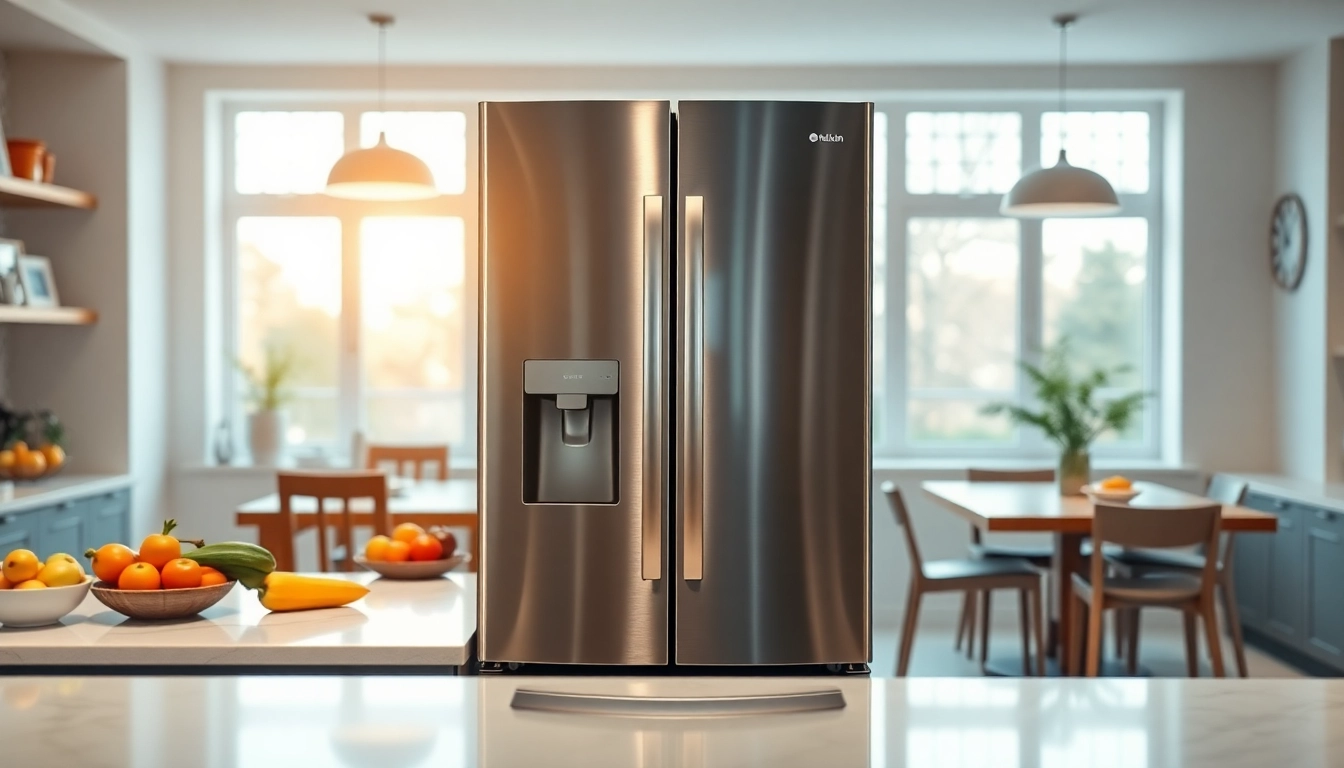
Overview of Refrigerator Types
When it comes to choosing a new refrigerator, understanding the different types available is essential for making an informed decision. The three primary styles of refrigerators include top-freezer, bottom-freezer, and French door models. Each type offers unique features, benefits, and aesthetics, allowing consumers to select the perfect fit for their kitchen, food storage needs, and lifestyle.
Top-Freezer Refrigerator Features
The top-freezer refrigerator is a classic design that features a freezer compartment located at the top, with the fridge portion below. This layout is one of the oldest and most recognized styles, making it a staple in many homes. Key features of top-freezer refrigerators include:
- Affordability: Generally cheaper than other styles, making them a budget-friendly option.
- Energy Efficiency: Many top-freezer models are energy efficient, contributing to lower utility bills.
- Space Management: The traditional layout allows easy access to both fresh and frozen items without bending or stretching.
Overall, top-freezer refrigerators are ideal for those who appreciate simplicity and are looking for practical kitchen storage without breaking the bank.
Bottom-Freezer Refrigerator Advantages
Bottom-freezer refrigerators feature a freezer located at the bottom of the unit, with the fresh food compartment at eye level. This configuration has several advantages:
- Convenience: Fresh items are easily accessible, reducing the need to bend down frequently.
- Design Aesthetics: These models often have a sleek design and can double as a kitchen centerpiece.
- Storage Options: Many bottom-freezer refrigerators include pull-out drawers, making it easier to organize and access frozen items.
Perfect for families or anyone who frequently uses fresh produce, bottom-freezers combine functionality with contemporary design.
French Door Refrigerator Appeal
French door refrigerators are renowned for their modern aesthetic and design, featuring two doors that open to reveal the refrigerator compartment while a separate pull-out drawer serves as the freezer. Their appeal lies in several notable features:
- Spacious Interior: Offering ample storage space, French door models are excellent for those who purchase groceries in bulk.
- Flexible Storage Solutions: Many come with adjustable shelves, crisper drawers, and compartments that make organizing simple.
- Energy Efficient Options: Many modern models offer energy-efficient settings and LEDs to minimize energy use.
Ideal for modern kitchens, French door refrigerators blend style with practicality, making them a popular choice among consumers.
Key Features to Consider
When shopping for a refrigerator, it’s vital to prioritize specific features that cater to your needs. Here are some essential aspects to consider:
Energy Efficiency Ratings
Energy efficiency is a crucial factor in selecting a refrigerator. Look for models with an ENERGY STAR rating, which indicates they meet strict energy efficiency guidelines set by the U.S. Environmental Protection Agency. Higher efficiency ratings can lead to significant savings on energy bills and reduced environmental impact.
Size and Space Requirements
Measure the dimensions of the space where your new refrigerator will be placed to ensure a proper fit. Consider the refrigerator's width, height, and depth, including clearance for doors to open fully. Standard sizes range from compact units around 24 inches wide to larger 36-inch models.
Smart Technology Features
Smart refrigerators come equipped with technology such as Wi-Fi connectivity, touch screens, and integrated cameras, allowing users to monitor contents and adjust settings remotely. These features enhance convenience and help reduce food waste, making them an attractive option for tech-savvy shoppers.
Buying Guide for Refrigerators
Purchasing a refrigerator can be an overwhelming task, but understanding key elements can simplify the process. Whether you’re seeking a sleek French door model or a classic top-freezer option, consider the following:
Determining Your Budget
Establishing a budget will streamline your selection process. Refrigerators can range from a few hundred to several thousand dollars, so knowing your price range will help you focus on models that align with your financial expectations. Remember to factor in potential delivery fees and installation costs.
Understanding Warranties and Support
Check the warranty coverage offered by manufacturers to understand what is included and for how long. Most refrigerators come with a standard one-year limited warranty covering parts and labor. Extended warranties may also be available and can provide peace of mind against potential repairs.
Where to Buy a Refrigerator
Explore various retail options, from big-box stores to online platforms. Visiting stores can give you hands-on experience with the models, allowing you to gauge features and space requirements personally. Online comparisons can help you find more competitive pricing.
Maintaining Your Refrigerator
To maximize the lifespan and efficiency of your refrigerator, regular maintenance is essential. Follow these guidelines:
Regular Cleaning Tips
Keep your refrigerator clean by routinely wiping down shelves and compartments with a solution of mild soap and water. Remove expired products and debris regularly. Additionally, vacuum the condenser coils every six months to prevent dust buildup, which improves energy efficiency.
Temperature Settings for Optimal Storage
The FDA recommends setting your refrigerator temperature between 32°F and 40°F, with the freezer set at 0°F. Using a thermometer to monitor internal temperatures can ensure your food remains fresh while minimizing spoilage and foodborne illnesses.
Common Issues and Troubleshooting
Some common refrigerator issues include insufficient cooling, loud noises, and water leaks. Regularly inspect door seals for wear, check temperature settings, and clean any blockages in vents. If the issue persists, additionally consult your owner’s manual for troubleshooting or call for professional service.
Future Trends in Refrigeration
The refrigerator industry continues to evolve with innovative technologies and design trends. Being aware of these changes can help you make informed choices for future purchases.
Smart Refrigerators and Connectivity
Smart refrigerators are becoming increasingly popular, featuring connectivity that allows for remote monitoring and control. These fridges can keep track of expiration dates, create automated shopping lists, and connect with smart home systems, making meal prep more efficient.
Eco-Friendly Innovations
Energy-efficient models continue to gain traction, with advancements in insulation and energy consumption technologies. Look for refrigerators made from sustainable materials, which support an eco-friendly lifestyle while reducing your carbon footprint.
Design Trends in Kitchen Appliances
Expect to see a rise in customizable finishes and styles, allowing consumers to tailor their kitchen appliances to match personal aesthetics. Color options beyond traditional stainless steel, such as matte finishes and bold hues, are also becoming popular, adding uniqueness to kitchen decor.
Frequently Asked Questions
What is the difference between a fridge and refrigerator?
A fridge is a colloquial term for a refrigerator. Generally, both terms refer to the same appliance, but 'refrigerator' is the broader term that includes all types and features of cooling appliances.
How much will a refrigerator cost?
Refrigerators can vary widely in price based on type and features. Expect costs to range from approximately $800 for basic models to $3,000 or more for high-end or specialized units.
How often should I clean my refrigerator?
It is recommended to clean your refrigerator at least once every three months. However, regular checks of expired food and spills should occur weekly to maintain hygiene.
What should I do if my refrigerator is not cooling properly?
If your refrigerator is not cooling properly, check the thermostat setting, inspect door seals for damage, and ensure vents are not blocked. If problems persist, consult a professional technician.
Can I move my refrigerator myself?
While it’s possible to move a refrigerator yourself, it’s best to have assistance due to its weight and size. Ensure the appliance is properly secured to avoid damage during the move.